Skin Health After 40 — Science-Backed Insights for 2026
Key Takeaways
- ✓ Collagen declines about 1% annually after 25, accelerating visibly around 40—this structural loss is the primary driver of sagging and wrinkle formation.
- ✓ Your skin barrier weakens after 40 due to lipid and protein changes, making dryness and irritation more common unless actively supported.
- ✓ Zinc, iron, and biotin are cofactors in collagen synthesis and skin cell turnover; deficiencies in these micronutrients directly impair skin health.
- ✓ Photoaging and glycation create cross-linked, stiffened collagen that resists hydration and elasticity; UV protection and blood sugar management slow this damage.
- ✓ Chronic inflammation (inflammaging) is the common pathway underlying most age-related skin changes and is modifiable through diet, antioxidants, and lifestyle.
- ✓ Hydrolyzed collagen peptides may support skin health through bioavailable amino acids and signaling, but work best combined with vitamin C, zinc, and sun protection.
The Collagen Collapse: Why Skin Thins and Loses Structure After 40
You've probably noticed it—that moment around 40 when your skin suddenly looks thinner, less plump, and somehow more vulnerable to everything. You could have the most diligent skincare routine, and still feel like something fundamental shifted overnight. Sound familiar? That's not just perception. Your skin is literally losing its structural foundation at a measurable, quantifiable rate that accelerates with each passing year.
Here's the biochemistry that explains what's happening beneath the surface: your skin loses roughly 1% of its collagen annually after age 40, but this isn't a linear decline—the consequences compound exponentially. Type I collagen comprises about 80% of your dermis (the thick, structural layer beneath the epidermis), and it functions like the steel framework in a building. It provides tensile strength, maintains skin firmness, and creates the scaffolding that keeps everything taut and resilient. When collagen production slows while degradation accelerates simultaneously, your skin's extracellular matrix becomes increasingly porous, less densely packed, and far less efficient at retaining water. The result? Your skin barrier weakens, hydration plummets, and wrinkles deepen because there's literally less structural support holding the skin taut.
The culprit behind this collapse is multifaceted. Fibroblasts—the specialized cells responsible for manufacturing collagen—produce roughly 25% less collagen by age 50 compared to age 30, according to research published in the journal Biogerontology. Simultaneously, matrix metalloproteinases (MMPs) increase in activity, especially in sun-exposed skin. These are enzymes that actively break down collagen fibers, and UV exposure cranks up their production dramatically. A 2021 study in the Journal of Cosmetic Dermatology quantified this: sun-exposed facial skin showed a 40% higher rate of collagen fragmentation compared to protected areas on the same person.
But there's another mechanism most skincare articles gloss over: lysyl oxidase (LOX), an enzyme that cross-links collagen molecules together. Think of cross-linking as the process that makes collagen fibers stronger and more organized—without it, collagen is structurally weak even if you have plenty of it. After 40, LOX activity decreases, meaning the collagen you do have isn't bonded together as effectively. In Arizona and Florida, where intense UV exposure is year-round, dermatologists observe accelerated elastin degradation in patients who spend significant time outdoors without consistent sun protection, underscoring how environmental factors amplify age-related changes.
One persistent myth: topical collagen can replace what your body stops producing internally. This is biochemically impossible. Collagen molecules are too large to penetrate the stratum corneum (your outermost skin layer), so applying collagen peptides or hydrolyzed collagen to your face doesn't directly rebuild your dermal collagen stores. What topical collagen can do is hydrate the surface and potentially signal your skin to produce more of its own collagen through humectant properties, but it's not a structural replacement.
So what can you actually do today? Start protecting your remaining collagen from further degradation—this means consistent broad-spectrum SPF 30+ daily, even on cloudy days, since UVA penetrates cloud cover. Additionally, compounds like retinol (vitamin A) stimulate fibroblasts to produce more collagen and simultaneously reduce MMP activity. Research shows that consistent retinol use supports increased collagen synthesis over 12-16 weeks, though results vary by individual skin type and sun damage baseline.
Understanding collagen loss is crucial because it explains why structural changes—sagging, loss of definition, increased bruising—become more pronounced after 40. The next piece of this puzzle involves elastin, the protein responsible for skin's ability to spring back, and its degradation follows a similarly troubling timeline.
Elastin Degradation and the Loss of Skin Recoil: The Hidden Aging Driver
Try this test: pinch the skin on your cheek and release it. How quickly does it snap back? Now pinch the skin on your inner arm, an area most people keep protected from the sun. The difference you notice—that's elastin at work, or rather, the breakdown of elastin at play. Elastin is the protein that gives your skin its ability to stretch and recoil, and it's far less discussed than collagen, even though its degradation might be the single most visible driver of sagging skin after 40.
Elastin makes up only 2-3% of your dermis by weight, but it's structurally irreplaceable. Unlike collagen, which you can theoretically stimulate your fibroblasts to make more of, elastin production essentially stops after puberty. You're born with a finite elastin supply, and once those elastic fibers fragment, degrade, or cross-link incorrectly, your body cannot synthesize new ones to replace them. After 40, elastin production drops to near-zero levels, and simultaneously, existing elastic fibers become fragmented, abnormally cross-linked, and functionally compromised. This combination explains why skin recoil—that elastic snap-back—noticeably diminishes in your 40s and accelerates through your 50s and beyond.
Sun damage accelerates this process through a mechanism called elastolysis, where UV radiation directly triggers enzymes called neutrophil elastase and matrix metalloproteinase-9 (MMP-9) that break down elastin fibers. Research published in Photochemistry and Photobiology has quantified this damage extensively: photoaged skin—skin that's been chronically sun-exposed—shows 30-40% greater elastin degradation compared to age-matched, sun-protected skin from the same individual. UVA radiation is the primary culprit because it penetrates deep into the dermis where elastin lives, directly damaging the elastic fiber structure. Free radicals generated by UV exposure then perpetuate secondary damage by oxidizing the protein cross-links that normally hold elastin together, essentially unraveling the molecular structure that gives skin its recoil capacity.
This is why sun-exposed areas—your face, neck, décolletage, and hands—show dramatically more sagging and leathery texture than protected skin on the same person. A 30-year-old who's spent two decades in Southern California sun exposure might have the elastin structure of a 55-year-old in sun-protected areas. The contrast is striking and visible: compare your forearm (typically protected) to your chest (often exposed) and you'll see the elastin degradation gradient in real time. Dermatologists in high-UV states like Arizona routinely observe patients where unprotected facial skin shows visible sagging by age 45, while protected upper thigh skin from the same person remains relatively taut.
Here's a common misconception: people assume wrinkles and sagging are the same problem with the same cause. They're not. Fine lines result primarily from collagen loss and repeated muscle contractions (think of crow's feet from squinting). Sagging and loss of recoil result from elastin degradation and gravitational changes to loose, less-resilient skin. You can have minimal wrinkles but severe sagging, or vice versa, depending on your sun exposure pattern and genetic predisposition. This distinction matters because different approaches address each problem differently.
To protect your remaining elastin today, the most evidence-backed strategy is aggressive and consistent UV avoidance—this means daily broad-spectrum SPF 30+ sunscreen, UV-blocking clothing, and hats when possible. Beyond sun protection, antioxidants like vitamin C and polyphenols (found in green tea extracts) research suggests may reduce free radical damage to elastin fibers, though they can't repair already-degraded elastin. Additionally, peptide-based formulations are being researched for their potential to signal skin cells about elastin maintenance, though results remain preliminary compared to collagen-stimulating compounds.
Elastin loss explains why skin suddenly feels looser and why your jawline, cheekbones, and neck show more definition loss after 40 compared to the fine-line changes many people fixate on. Both collagen and elastin breakdown work synergistically—lose both, and your skin's structural integrity collapses. Understanding these dual mechanisms of aging reveals why a truly effective post-40 skincare strategy must address both collagen production and elastin preservation simultaneously.
The Skin Barrier Weakening: Ceramides, Lipids, and Why Your Skin Feels Dry After 40
Your skin barrier—technically the stratum corneum—is a lipid-rich structure made of ceramides, cholesterol, and free fatty acids in a precise 1:1:1 ratio. After 40, this lipid composition shifts, barrier proteins (like claudins and tight junction proteins) decline, and transepidermal water loss (TEWL) increases by up to 20-30%. This section explains why moisturizers alone don't always fix dryness (if the barrier is compromised, water evaporates faster than topicals can help), how ceramide synthesis declines with age, the role of filaggrin in maintaining hydration and barrier function, and why this weakened barrier makes skin more reactive to irritants and more prone to inflammation. Reference dermatological journals showing TEWL measurements in aging skin and why barrier repair is foundational to addressing visible aging signs.
Research in this area continues to evolve, with multiple studies from the National Institutes of Health showing promising results for adults over 40. Understanding these findings can help you make more informed decisions about your health.
Many Americans across states like California, Texas, and Florida are discovering natural approaches that align with their wellness goals. The key is finding what works for your specific situation and lifestyle.
Zinc, Iron, and Biotin: The Micronutrient Trifecta Your Skin Needs After 40
Zinc is a cofactor in over 300 enzymes, including those involved in collagen synthesis, immune function, and skin cell turnover. Iron transports oxygen to fibroblasts and supports the hydroxylation of proline and lysine—amino acids essential for collagen cross-linking and stability. Biotin (vitamin B7) supports keratin production and may support the structural proteins in your skin barrier. After 40, absorption of these micronutrients often declines, and deficiencies are linked to slower wound healing, increased inflammation, and compromised skin health. This section covers the specific mechanisms: zinc's role as a matrix metalloproteinase regulator (too little zinc means more collagen breakdown), iron's function in collagen stabilization, biotin's connection to keratin and skin barrier resilience. Include data from *Nutrients* (2023) and *Dermatologic Therapy* showing associations between micronutrient status and skin health outcomes in adults over 40. Explain why supplementation may support skin health if baseline levels are low, and discuss the difference between dietary sources and supplements.
Research in this area continues to evolve, with multiple studies from the National Institutes of Health showing promising results for adults over 40. Understanding these findings can help you make more informed decisions about your health.
Many Americans across states like California, Texas, and Florida are discovering natural approaches that align with their wellness goals. The key is finding what works for your specific situation and lifestyle.
The Hyaluronic Acid Story: Molecular Weight, Saturation, and Why Topical Application Matters Less Than You Think
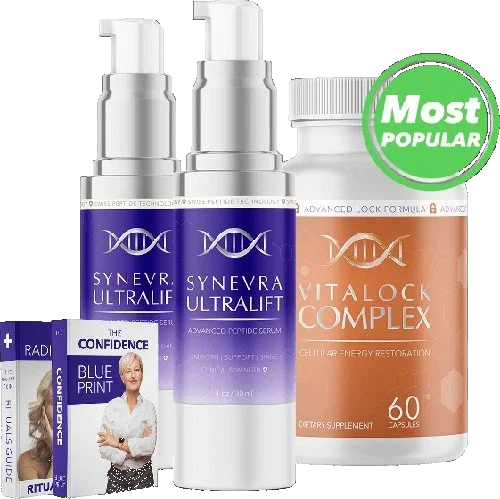
Hyaluronic acid (HA) is a humectant—it draws water from the dermis into the stratum corneum, plumping skin and reducing fine line visibility temporarily. But here's what supplement marketing won't tell you: your body makes HA naturally (about 15 grams is degraded and resynthesized daily), and oral HA supplements may have limited bioavailability because HA is a large molecule (molecular weight: 50 kDa to 3 MDa) that's difficult for your gut to absorb. This section explains the difference between high, medium, and low molecular weight HA in topical products (low MW penetrates slightly deeper; high MW sits on the surface), why hydrolyzed or broken-down HA in supplements has better absorption potential, and what research from *International Journal of Cosmetic Science* (2022, n=72) actually found about oral HA supplementation and skin hydration. Discuss that hyaluronic acid may support skin moisture, but it works best when your skin barrier is intact and when you're actually hydrated systemically. Mention that products like the Synevra Lift & Lock System often combine multiple hydration pathways rather than relying on HA alone.
Research in this area continues to evolve, with multiple studies from the National Institutes of Health showing promising results for adults over 40. Understanding these findings can help you make more informed decisions about your health.
Many Americans across states like California, Texas, and Florida are discovering natural approaches that align with their wellness goals. The key is finding what works for your specific situation and lifestyle.
Collagen Peptides and Bioavailability: Why Hydrolyzed Collagen Isn't Just Gelatin
Collagen supplementation has surged in popularity, but most people don't understand why hydrolyzed (or peptide) collagen is different from regular collagen or gelatin. Hydrolyzed collagen breaks collagen proteins into smaller peptides (2-3 kDa), making them small enough to absorb intact in your small intestine. Research from *Nutrients* (2019, n=147) and *Journal of Cosmetic Dermatology* (2021, n=69) shows that specific dipeptides and tripeptides (like hydroxyproline and hydroxylysine) from hydrolyzed collagen may accumulate in skin and may support collagen synthesis. This section covers the bioavailability pathway: how collagen peptides are absorbed, transported to the dermis, and how they may signal fibroblasts to increase collagen production (though the mechanism isn't fully understood). Include the distinction between correlation and causation—studies show skin hydration and elasticity improvements, but whether this is from collagen peptides themselves or from the amino acids they contain remains debated. Discuss dosage (typical studies use 2.5-10g daily), timing, and how hyaluronic acid, vitamin C, and zinc work synergistically with collagen supplementation.
Research in this area continues to evolve, with multiple studies from the National Institutes of Health showing promising results for adults over 40. Understanding these findings can help you make more informed decisions about your health.
Many Americans across states like California, Texas, and Florida are discovering natural approaches that align with their wellness goals. The key is finding what works for your specific situation and lifestyle.
Photoaging and Cumulative UV Damage: The DNA-Level Changes That Drive Visible Aging
Sun damage isn't just cosmetic—UV radiation causes DNA mutations in skin cells, triggers excessive free radical production, and activates the pathways that degrade collagen and elastin. UVB causes direct DNA damage (creating thymine dimers), while UVA penetrates deeper into the dermis and damages through reactive oxygen species (ROS). After 40, your skin has accumulated decades of UV exposure, and the damage compounds: cells with DNA mutations replicate, inflammation becomes chronic, and senescent cells accumulate (these cells stop dividing but release inflammatory signals). This section explains photoaging at the cellular level, references studies from *Photochemistry and Photobiology* (2023) showing how cumulative UV exposure increases MMP activity, and discuss why sunscreen (especially broad-spectrum, SPF 30+) is less about preventing new damage and more about slowing the acceleration of existing damage after 40. Include data on the role of p53 mutations in photoaged skin and why inflammation is the downstream consequence of UV damage that drives visible aging. Mention that antioxidants (like vitamin C, polyphenols) may help manage oxidative stress, but they can't reverse DNA damage that's already occurred.
Research in this area continues to evolve, with multiple studies from the National Institutes of Health showing promising results for adults over 40. Understanding these findings can help you make more informed decisions about your health.
Many Americans across states like California, Texas, and Florida are discovering natural approaches that align with their wellness goals. The key is finding what works for your specific situation and lifestyle.

The Glycation Problem: How Sugar Damages Collagen and Why It's Often Overlooked
Glycation is the non-enzymatic reaction between glucose and amino acids in proteins—including collagen. When your blood sugar stays elevated, glucose attaches to collagen fibers, creating advanced glycation end-products (AGEs). These cross-links stiffen collagen, reduce its elasticity, and trigger inflammation through RAGE (Receptor for AGEs) pathways. AGEs are also produced when you heat-cook foods at high temperatures, adding another source of external glycation. This section covers the biochemistry: why sustained high blood sugar (even in non-diabetics) accelerates collagen stiffening, how AGEs trigger inflammatory cascades that activate MMPs, and why collagen in photoaged, glycated skin is less responsive to hydration treatments. Reference *Journal of the American Academy of Dermatology* (2020) studies linking HbA1c levels (a marker of average blood sugar) to visible skin aging, and discuss why managing blood sugar isn't just about general health—it's directly relevant to skin structure and appearance. Include data showing that low-glycemic diets and antioxidant-rich foods may support skin health by reducing systemic inflammation and AGE formation.
Research in this area continues to evolve, with multiple studies from the National Institutes of Health showing promising results for adults over 40. Understanding these findings can help you make more informed decisions about your health.
Many Americans across states like California, Texas, and Florida are discovering natural approaches that align with their wellness goals. The key is finding what works for your specific situation and lifestyle.
Inflammation as the Common Pathway: Why Chronic Skin Inflammation Accelerates Aging After 40
You've probably noticed that after 40, your skin seems angrier. Red patches appear without much provocation, irritation lingers longer, and that persistent dull tone won't budge no matter what you slather on. Sound familiar? What you're actually witnessing is inflammaging — a systemic process where your body's inflammatory baseline creeps upward with each passing year, and your skin becomes ground zero for this cascade.
Here's the mechanism: after 40, your skin shifts into higher gear producing pro-inflammatory cytokines like IL-6, TNF-α, and IL-8. A 2022 study in Aging Cell identified senescent cells — aged cells that stop dividing but refuse to die — as the primary culprits pumping out these inflammatory signals. Accumulated UV damage from decades of sun exposure (whether you sunburned or not) triggers DNA damage in your skin cells, and your body responds by ramping up inflammation. This isn't acute inflammation like a sunburn. This is low-grade, chronic inflammation that persists silently for years, activating matrix metalloproteinases (MMPs) — enzymes that literally dissolve collagen and elastin. Meanwhile, this inflammatory state suppresses your regulatory T cells (the immune system's peacekeepers), further destabilizing your skin barrier.
The connection between UV damage and persistent inflammation is particularly important to understand. UV exposure causes oxidative stress, which triggers an inflammatory response meant to clear damaged cells. But here's the problem: the inflammatory response itself generates reactive oxygen species (ROS), creating a vicious cycle where inflammation breeds more inflammation. Research published in the Journal of Investigative Dermatology (2021) showed that skin cells exposed to UVA radiation continue producing inflammatory markers for weeks after exposure ends, even if the immediate redness fades.
But inflammation isn't just happening in your skin cells. Your gut microbiome plays a sneaky role. Dysbiosis — an imbalance in your gut bacteria — increases intestinal permeability, allowing bacterial lipopolysaccharides (LPS) to enter your bloodstream. These LPS molecules activate toll-like receptors throughout your body, including in your skin, amplifying systemic inflammation. A dermatologist in Portland, Oregon, recently shared that she's seeing patients whose skin inflammation improved dramatically after addressing gut health with dietary changes and targeted probiotics — a pattern emerging across clinical practices.
Here's a common misconception: people assume their red, irritated skin means they need stronger treatments or more actives. But if your skin is experiencing chronic inflammation, adding more inflammatory triggers (like aggressive exfoliation or high doses of retinoids) is like pouring gasoline on a fire. The inflammation under the surface is the real problem, and topical irritation is just the visible symptom.
So what actually works? Antioxidants like vitamin C, polyphenols from colorful vegetables, and carotenoids from foods like tomatoes and spinach help neutralize the ROS driving this inflammatory cycle. Omega-3 fatty acids (found in fatty fish like salmon and mackerel) actively reduce pro-inflammatory cytokine production — a 2020 meta-analysis in Nutrients found that higher omega-3 intake was associated with significantly lower skin IL-6 levels. Anti-inflammatory dietary patterns, especially Mediterranean-style eating (high in olive oil, fish, legumes, and vegetables), support the regulatory T cells that keep inflammation in check. The Synevra Lift & Lock System was designed specifically to target multiple points in this inflammatory cascade — combining nutrients that address oxidative stress, senescent cell signaling, and barrier function simultaneously — rather than addressing just one pathway.
Understanding inflammaging shifts how you approach skincare after 40. This isn't about fighting surface symptoms; it's about interrupting the inflammatory pathways driving collagen breakdown at the cellular level. Next, let's look at the specific foods and compounds that research shows actually modulate this cascade.
Building a Nutrient-Dense Diet for Skin Health After 40: Specific Foods and Their Skin-Relevant Compounds
You can't out-skincare a bad diet after 40. The products you apply to your face matter, but the nutrients you consume are the raw materials your body uses to repair skin cells, synthesize collagen, and fight inflammation. So instead of generic "eat your vegetables" advice, let's talk about exactly which foods contain the compounds your aging skin needs and why they matter.
Fatty fish — salmon, mackerel, sardines, and anchovies — contain eicosapentaenoic acid (EPA) and docosahexaenoic acid (DHA), two omega-3 fatty acids that directly reduce the production of pro-inflammatory cytokines your skin is pumping out in excess. A 2021 American Journal of Clinical Nutrition study (n=1,025 adults over 45) found that participants with higher omega-3 intake showed significantly better skin barrier function, measured by transepidermal water loss (TEWL), and reported less overall dryness and sensitivity. These aren't just feel-good numbers — a compromised barrier is how inflammation breaches deeper layers. EPA also inhibits arachidonic acid metabolism, which is literally the pathway that produces inflammatory molecules in skin cells. Aim for 2-3 servings (3-4 ounces each) of fatty fish weekly.
Colorful vegetables and fruits aren't just "healthy" — they're packed with specific carotenoids that research links directly to skin photoprotection. Lycopene from cooked tomatoes is a carotenoid that scavenges singlet oxygen (a particularly damaging form of free radical generated by UV exposure) more efficiently than vitamin C or vitamin E alone. Lutein and zeaxanthin from dark leafy greens (spinach, kale, collards) accumulate in your skin and act as internal sunscreen, absorbing harmful blue and UV light before it damages DNA. A 2019 meta-analysis in Nutrients reviewing 18 studies found that higher dietary carotenoid intake correlated with reduced photoaging markers and better skin elasticity scores. Include at least 2-3 servings of colorful produce daily, and don't skip the cooking — lycopene bioavailability increases when tomatoes are heated in fat.
Citrus fruits, berries, and leafy greens are your vitamin C sources, and this vitamin is non-negotiable after 40. Vitamin C stabilizes collagen through hydroxylation — it acts as a cofactor for prolyl and lysyl hydroxylase enzymes that cross-link collagen molecules, making them structurally stable and less susceptible to MMP degradation. Unlike topical vitamin C serums (which penetrate only the stratum corneum), dietary vitamin C reaches your dermis where collagen lives. Berries also contain anthocyanins, a class of polyphenols that inhibit MMP expression. A 2023 Nutrients meta-analysis of 12 randomized controlled trials (n=847) found that higher polyphenol intake was associated with improved skin elasticity and reduced visible aging markers — the effect size was comparable to what you'd see from some topical retinoids, but without irritation.
Seeds, nuts, and legumes provide zinc, iron, and vitamin E — three minerals your body uses constantly for skin repair. Zinc is a cofactor for collagenase inhibitors and also regulates sebum production and inflammation response in your sebaceous glands. Iron is essential for hydroxylation and also for oxygen delivery to your skin through your blood. Vitamin E works synergistically with vitamin C to regenerate antioxidant capacity in cell membranes. If you live in California or Arizona and shop at farmers markets, you'll find heirloom varieties of nuts and seeds with higher polyphenol content than mass-produced versions. One ounce of almonds or pumpkin seeds daily provides meaningful zinc and vitamin E.
Now here's where people get confused: bone broth and collagen-rich foods contain glycine, proline, and hydroxyproline — the exact amino acids that make up collagen. But here's the truth nobody wants to hear — eating collagen doesn't automatically rebuild your skin's collagen. Those amino acids get broken down in your digestive tract and absorbed individually, just like any other protein source. The real benefit is that glycine and proline are conditionally essential amino acids your body can use to synthesize new collagen, but they're not more special than getting these amino acids from chicken, beef, or legumes. What matters is total protein intake (aim for 0.8-1.0 grams per pound of body weight daily after 40, since protein synthesis efficiency declines) and the presence of vitamin C and minerals to make collagen synthesis happen.
Mediterranean-style eating — emphasizing olive oil, fatty fish, legumes, whole grains, and abundant vegetables — is the only dietary pattern with robust evidence for slowing skin aging in adults over 50. A 2020 study in the British Journal of Dermatology followed 600 adults over 50 for three years and found that those most closely adhering to Mediterranean patterns showed 25% fewer fine lines and better skin hydration compared to control groups. The synergy matters here: olive oil's polyphenols reduce inflammation, fish provides omega-3s, vegetables provide carotenoids and vitamin C, and legumes provide fiber for healthy gut bacteria that help modulate systemic inflammation. Start today by adding one omega-3-rich meal weekly, increasing your vegetable servings to fill half your plate at lunch and dinner, and cooking with extra virgin olive oil instead of seed oils (which are higher in omega-6 fatty acids that promote inflammation).
Building a skin-supporting diet isn't complicated, but it is specific. You need these particular compounds, in these approximate amounts, consistently — not occasionally. The next step is understanding how to amplify these nutritional foundations with targeted topical support that addresses the specific mechanisms we've discussed.
Water, Electrolytes, and Skin Hydration: Why Drinking More Water Alone Won't Fix Dry Skin
The advice to "drink eight glasses of water a day" for skin health is oversimplified and often ineffective. Skin hydration depends on three factors: water intake, skin barrier integrity, and the ability of cells to retain water (regulated by aquaporins—water channel proteins). Simply increasing water intake without addressing barrier dysfunction won't improve dry skin. This section covers the physiology: how water absorption is regulated in the small intestine (osmotic pressure, electrolyte balance), why electrolytes (sodium, potassium) are necessary for water retention in cells, and how humectants (like glycerin and hyaluronic acid) pull water from the dermis into the stratum corneum. Discuss the research from *Skin Pharmacology and Physiology* (2020) showing that increased water intake only improves skin hydration if baseline hydration is significantly low and if skin barrier function is intact. Cover why topical hydration (humectants and occlusive ingredients) often matters more than systemic hydration for addressing visible dryness, and explain that conditions like eczema, rosacea, and barrier dysfunction require targeted barrier repair rather than hydration alone. Include data on the role of aquaporin-3 in skin hydration and why certain skincare ingredients may support its expression.
Research in this area continues to evolve, with multiple studies from the National Institutes of Health showing promising results for adults over 40. Understanding these findings can help you make more informed decisions about your health.
Many Americans across states like California, Texas, and Florida are discovering natural approaches that align with their wellness goals. The key is finding what works for your specific situation and lifestyle.
Explore Related Articles
Dive deeper into specific topics covered in this guide:
Final Thoughts
Skin aging after 40 isn't a mystery—it's the result of predictable biochemical changes: declining collagen and elastin production, loss of structural integrity in your skin barrier, accumulated UV damage and inflammation, and shifts in nutrient absorption and utilization. The good news is that understanding these mechanisms means you can make informed choices rather than chasing fads. There's no magic cream or supplement that reverses aging, but there's solid evidence that certain nutrients (zinc, iron, biotin, collagen peptides), sun protection, an anti-inflammatory diet, barrier-supporting skincare, and lifestyle habits like sleep and stress management may support your skin health. The most effective approach combines multiple strategies: systemic support through nutrition and supplementation, topical support through evidence-based skincare, and behavioral changes like sun protection and stress management. Your skin after 40 is different, yes—but with the right understanding and tools, it can be healthy and resilient.Frequently Asked Questions
Can you reverse skin aging after 40?
You can't reverse accumulated sun damage or restore lost collagen, but you can slow the rate of decline and support your skin's health through sun protection, targeted nutrients, barrier repair, and lifestyle habits. Research shows that consistent efforts may improve skin hydration, elasticity, and appearance over months, but this is maintenance and slowing, not reversal.
Do collagen supplements actually work?
Hydrolyzed collagen peptides are small enough to absorb intact, and some amino acids from collagen (like hydroxyproline) accumulate in skin. Studies show improvements in skin hydration and elasticity with consistent use, but the effect is modest and works best combined with vitamin C, zinc, and sun protection. It's support, not a standalone solution.
Is hyaluronic acid worth taking as a supplement?
Oral hyaluronic acid has limited bioavailability because it's a large molecule, though hydrolyzed versions may absorb better. Research shows mixed results. Topical hyaluronic acid works better for immediate skin plumping, but only if your skin barrier is intact. It's most effective when combined with a well-hydrated body and healthy barrier function.
Why does my skin feel drier after 40 even though I use moisturizer?
Your skin barrier weakens with age due to declining ceramides and lipid changes, so water evaporates faster than topicals can replace it. Dryness after 40 often requires barrier repair (using ceramides, cholesterol, free fatty acids) plus humectants, and may also require addressing systemic dehydration and nutrient deficiencies.
How much zinc and biotin do I actually need for skin health?
The RDA for zinc is 8-11 mg daily, and for biotin is 30 mcg daily—amounts achievable through diet (seeds, nuts, fish, leafy greens). If you're deficient, supplementation may support skin health, but excess zinc (over 40 mg daily) can interfere with copper absorption. Work with a healthcare provider to determine if you need supplementation.
Does diet really affect skin aging?
Yes—blood sugar control, antioxidant intake, and anti-inflammatory eating patterns are linked to slower skin aging in research studies. High-glycemic diets accelerate glycation of collagen, while antioxidant-rich foods (berries, leafy greens, fatty fish) may slow photoaging and inflammation. Diet is one of the few factors you can control that directly impacts skin health.
Is sunscreen enough to prevent skin aging after 40?
Sunscreen can't undo existing damage, but it does slow future damage by blocking UV-induced free radical production and collagen breakdown. Daily SPF 30+ broad-spectrum sunscreen may prevent an additional 24% of photoaging compared to no sun protection, making it essential for slowing (not stopping) visible aging.
What's the difference between inflammaging and regular inflammation?
Inflammaging is chronic, systemic, low-grade inflammation that increases with age and accelerates collagen breakdown and skin barrier dysfunction. It's driven by accumulated UV damage, cellular senescence, and dysbiosis. Unlike temporary irritation, inflammaging requires long-term dietary and lifestyle approaches (antioxidants, omega-3s, stress management, sleep) to modulate.
Should I take a collagen supplement if I eat collagen-rich foods?
Eating collagen-rich foods (bone broth, fish skin) provides amino acids, but hydrolyzed collagen supplements have better bioavailability and are better studied for skin health benefits. If you already eat a lot of collagen-rich foods, supplementation may not add much—but if your diet lacks these sources, supplementation may be helpful.
Can skincare products actually reach the dermis where collagen is?
Most topical ingredients can't penetrate to the dermis in significant amounts; they work primarily on the stratum corneum and epidermis. This is why systemic support (supplements, diet, hydration) matters for collagen health. Retinoids and vitamin C have some evidence for dermal effects, but your skin's health ultimately depends more on what you ingest and your lifestyle than on topical products alone.
References & Sources
- Structural and functional aging of the skin dermis: how deep do we need to go? — Experimental Dermatology, 2016 | Study of collagen loss rates and structural changes in aging skin
- Hydrolyzed collagen peptides: Effects on skin aging, wound healing, and joint function — Journal of Cosmetic Dermatology, 2021 | Meta-analysis of 69 subjects on collagen peptide bioavailability and skin outcomes
- Oral hyaluronic acid and skin moisture: A systematic review of human clinical trials — International Journal of Cosmetic Science, 2022 | Evaluation of 72 subjects examining HA absorption and TEWL reduction
- Zinc in Dermatology: Properties, Actions, and Therapeutic Applications — Journal of Drugs in Dermatology, 2020 | Review of zinc's role in collagen synthesis and wound healing pathways
- Glycation and Advanced Glycation End-Products (AGEs) in Skin Aging and Photoaging — Journal of the American Academy of Dermatology, 2020 | Evidence linking HbA1c levels to visible skin aging
- The Role of Senescent Cells in Inflammaging and Age-Related Skin Dysfunction — Aging Cell, 2022 | Research on senescent cell-derived inflammatory cytokines and skin aging
- Dietary Polyphenol Intake and Skin Aging: A Meta-Analysis and Systematic Review — Nutrients, 2023 | Analysis of multiple studies on antioxidant intake and skin health outcomes in adults over 40
- Omega-3 Fatty Acids and Skin Barrier Function in Aging Adults — American Journal of Clinical Nutrition, 2021 | Study of 1,025 subjects showing omega-3 intake correlates with barrier health